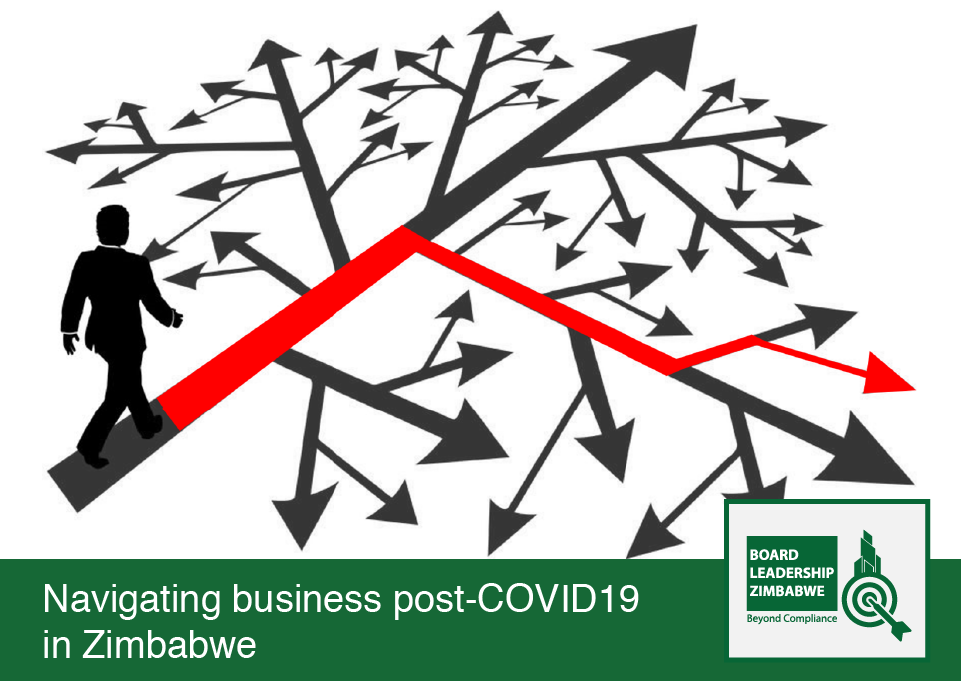
We are still living in the aftermath of the COVID-19 pandemic. On a business level, conditions vary daily on a global scale. Some of the changes include laws governing the pandemic, or, simply that some customers are no longer operating and, some suppliers are no longer reliable or even operating at all. But looking further than the day to day, there is no question that once the pandemic is “over” there will be a “new normal” which all businesses will have to adopt. So how does a business adopt scenario planning? The first and most important step is to reject the idea that you can foresee the future clearly. Projections are based on everything continuing as it previously has as if the future is a duplication of the past. But, most of the time, particularly now with COVID–19, situations, conditions, and the market itself are fluctuating daily. We are now
Read more
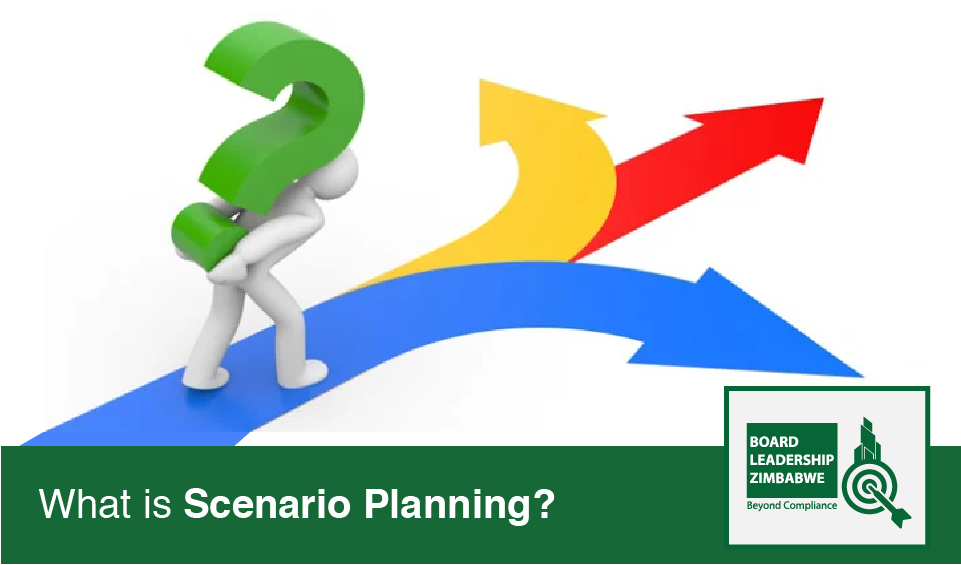
Scenario planning is the process of making assumptions on what the future is going to be and how your business environment will change over time as a result of your predictions. Scenario planning involves the identification of specific eventualities and probable realities that may happen to your business as a result of the current and projected climate of your environment. Building these assumptions is the best thing you can ever do to help guide your organization in the long term especially given the volatile nature of the Zimbabwean market. Scenario planning is originated from the military in WWII. During the war, it was always highly important (a matter of life and death) to be prepared for different possibilities – both good and bad. It wasn’t soon after the war that some companies saw that the methodology made sense in business. And given the current landscape, a post-pandemic world, rapidly changing
Read more

By Terrence N. Chimanya While much of the focus on Integrated Board Reporting has been on the needs of external stakeholders, the necessity for better internal decision making can be significantly improved through utilising the six capitals approach (i.e. financial capital, manufacturing capital, human capital, social and relationship capital, intellectual capital, and natural capital). A Case Study In 2011, I worked on an assignment for a United Kingdom based service company to incorporate a governance and sustainability checklist into their strategic planning process, through which the impact of all six capitals was considered as it pertained to the risk of investing or not investing financial capital in order to sustain competitive capability and advantage. The approach was simple and assessed several aspects of each capital as high risk (red), medium risk (amber) or low risk (green). This simple approach quickly identified that there were several areas where lack of sustainable
Read more
By Johnson Manyakara Increasingly, questions are being asked about whether Boards have a role in the management of organisational culture. One view is that their focus should strictly be on exercising an oversight role in the achievement of financial outcomes such as revenue growth, profitability, share price, return on capital employed, etc., and, for service organisations, service delivery. The other view is that Boards’ oversight role should be exercised, in equal measure, to organisational culture outcomes such as organisational adaptability, innovativeness, customer centricity, ethical ways, teamwork, employee engagement, etc. I subscribe to the latter view. Around the world, interest in organisational culture right now is very high. Why? Because organisational “culture touches every aspect of the organisation: strategy, business processes, employees – it’s in everything” – Human Synergistics International Organisational Culture Defined Organisational culture is a combination of values, attitudes and behaviours manifested by an organisation in its operations and
Read more